
Why Smart Motorways Are Increasing Driving Anxiety - And How Hypnotherapy Can Help
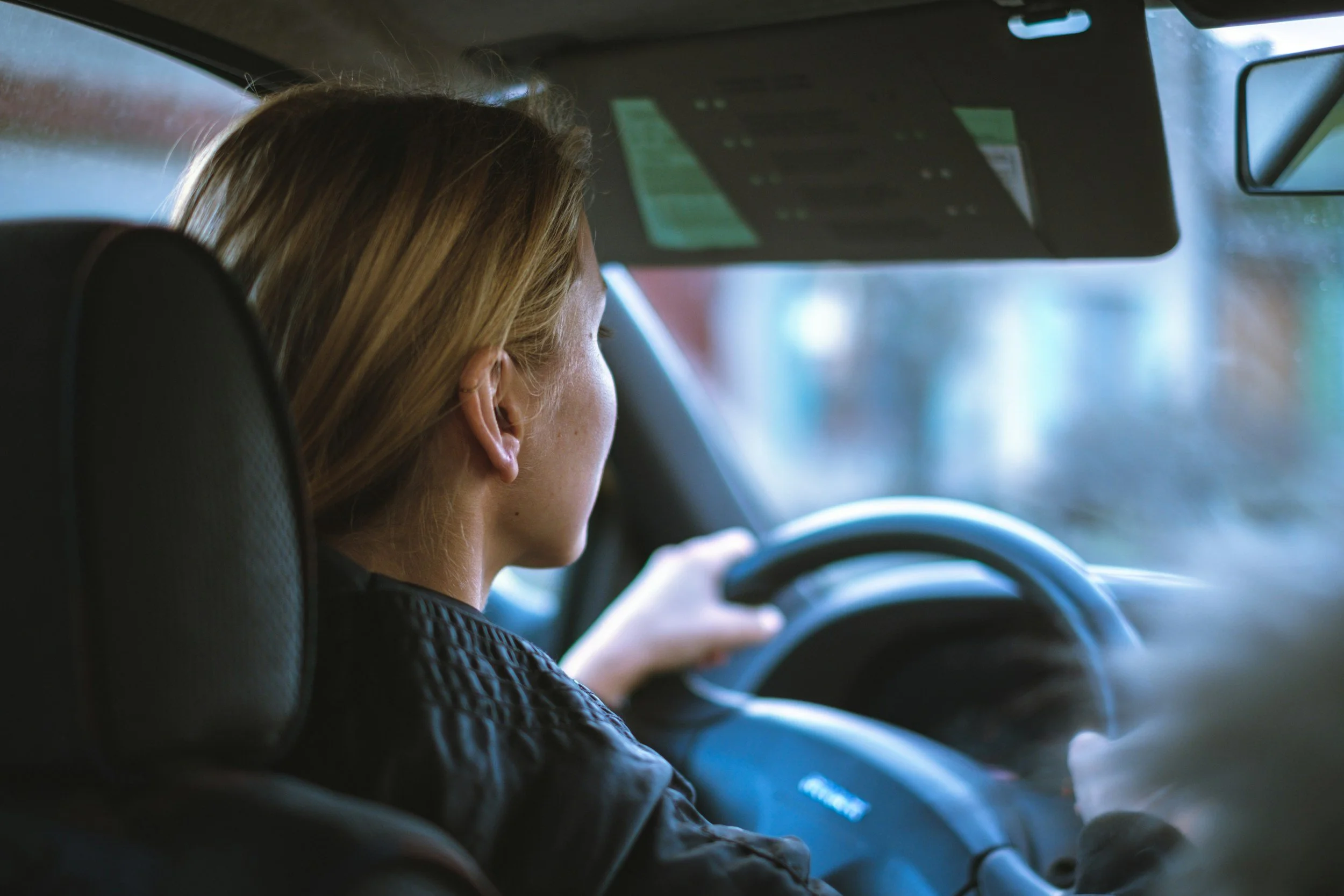
Recent research from The AA has revealed a sharp rise in the number of drivers who feel anxious when using so-called “smart motorways”.
In a survey of more than 12,000 drivers, almost half (46–47%) reported feeling nervous or anxious when driving on motorways without a hard shoulder or where the hard shoulder is used as a running lane. Just a year earlier that figure was around a quarter of drivers.
By contrast, only 4% of drivers reported anxiety on conventional motorways with a permanent hard shoulder.
Whether you agree with smart motorways or not, these results highlight something important: motorway driving itself can be a significant source of anxiety for many people.
And if you’ve ever felt your heart racing while merging into fast-moving traffic, you’re certainly not alone.
Why Motorways Can Trigger Anxiety
Motorways place unique demands on drivers. Speeds are higher, traffic is often denser, and decisions have to be made quickly.
For some people, worries might include:
🔸Breaking down in a live lane
🔸Not being able to get to the correct lane in time
🔸Large lorries passing closely
🔸Feeling trapped with no easy exit
🔸Fear of causing an accident
Smart motorways can amplify these concerns. The removal of a continuous hard shoulder means some drivers worry about where they would go if something went wrong.
Even if the actual risk is low, the perception of danger can be enough to trigger anxiety.
What Motorway Anxiety Feels Like
Driving anxiety often shows up both physically and mentally.
People commonly report:
🔸A racing heart
🔸Tightness in the chest
🔸Sweaty hands on the steering wheel
🔸Feeling hyper-alert or overwhelmed
🔸Catastrophic thoughts such as “What if I panic?” or “What if I can’t get out of this lane?”
Over time, many people start to change their driving habits to avoid these feelings.
They might:
🔸Avoid motorways altogether
🔸Only drive short distances
🔸Stay in the slow lane even when uncomfortable
🔸Ask someone else to drive
While this can bring short-term relief, it often keeps the anxiety going in the long term.
The Avoidance Trap
Anxiety thrives on avoidance.
If every time you feel nervous you avoid the motorway, your brain learns a powerful message:
Motorways must be dangerous - otherwise why would I avoid them?
Over time this can make the anxiety stronger and the situations you avoid can gradually expand.
The good news is that this pattern can be reversed.
How Hypnotherapy Can Help With Driving Anxiety
Hypnotherapy works by helping people change the automatic emotional responses associated with certain situations.
With driving anxiety, the mind has often formed a strong association between motorways and danger.
In sessions, we can work on:
1. Calming the nervous system
Learning how to quickly shift the body out of the fight-or-flight response so that driving feels more manageable.
2. Changing unhelpful mental imagery
Anxious minds often replay “what if” scenarios. Hypnotherapy can help replace these with calmer, more realistic expectations.
3. Mental rehearsal
The brain responds strongly to imagined experiences. Rehearsing calm, confident driving in hypnosis can help build familiarity and confidence.
4. Rebuilding trust in your abilities
Many anxious drivers underestimate their competence. Hypnotherapy can help strengthen a sense of control and capability behind the wheel.
A Simple Technique to Try Before Driving
One useful technique is controlled breathing.
Before setting off, try this:
🔸Breathe in slowly for a count of 4
🔸Hold briefly
🔸Breathe out slowly for a count of 6
🔸Repeat for a minute or two
This longer exhale helps activate the body’s relaxation response, making it easier to start a journey feeling calmer and more focused.
If motorway or driving anxiety is starting to shape your decisions, whether that’s avoiding certain journeys, feeling tense on dual carriageways, or only driving when you absolutely have to, it doesn’t have to stay that way.
Hypnotherapy can help reduce the automatic fear response and rebuild a calmer, more confident relationship with driving. If you’d like support with this, you can book a free 20-minute discovery call so we can look at what’s happening for you and how to start changing it.